Productive Farmlands
Floodplain Forward
Incorporating the best available science and practical know-how of farm and refuge managers to reactivate Sacramento Valley floodplains in a sustainable way that serves multiple benefits.
How It Works ›Maximizing Land and Water for a Climate-Resilient Future.
We are trying to maximize value from every inch of land and every drop of water in the Sacramento River Basin through the Floodplain Forward Coalition.Through the necessary use of land, funding and permitting, we can create a system that benefits people and aids endangered wildlife species. If provided with adequate resources, we can demonstrate that the Floodplain Forward approach is climate resilient and ensures greater water security for all Californians today and into the future.
We have to figure out how to modernize our water infrastructure and management systems for this new weather whiplash we are experiencing. Expanding floodplains is a really smart flood protection strategy; it protects communities under flood risk, but it also allows us to restore our salmon population and create environmental habitat as fish, birds and wildlife are more stressed from climate change. It is a cost effective, smart, proven, multi-beneficial investment in our future.Wade Crowfoot, California’s Natural Resources Secretary.
-
Productive Farmlands
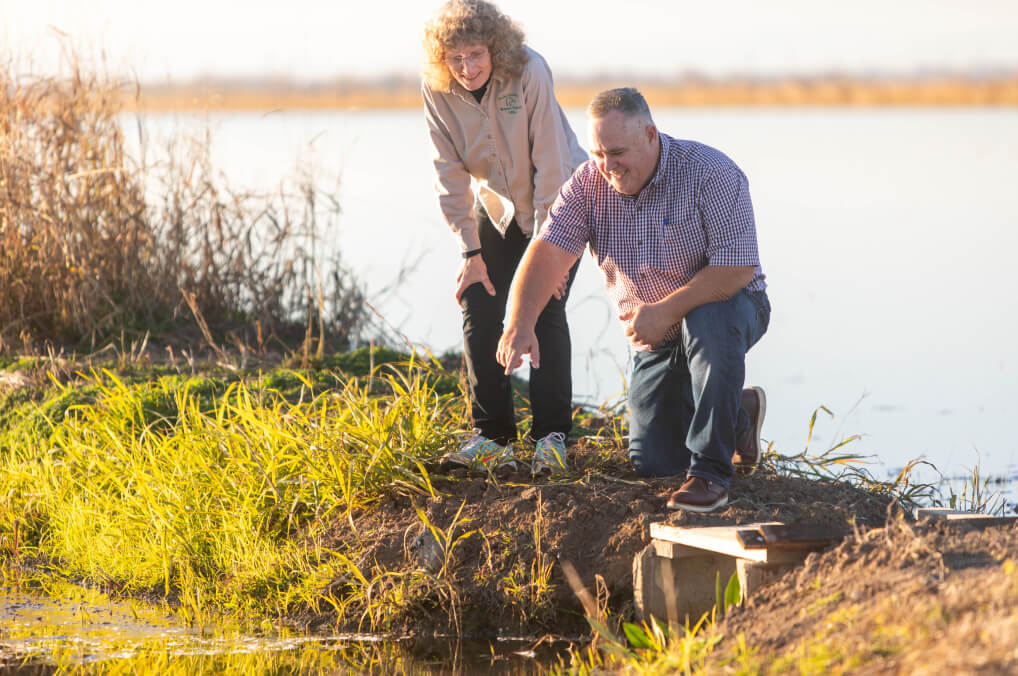
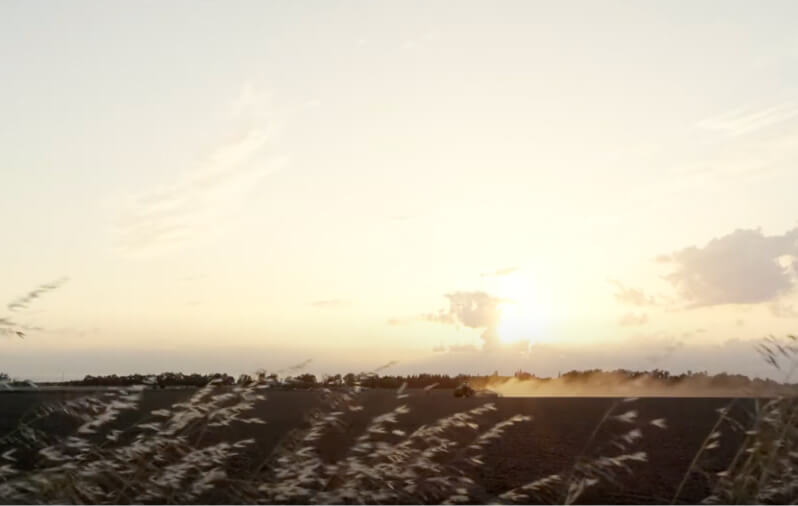
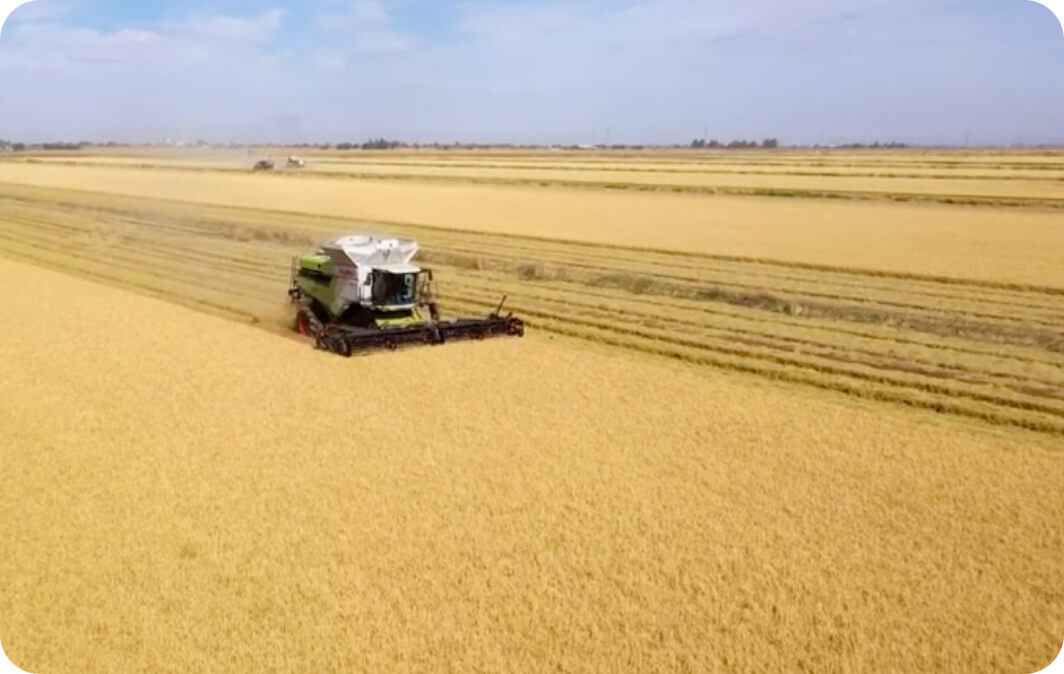
Agriculture is the economic engine of the Sacramento Valley with the 500,000 acres of ricelands used to grow world-class medium- and short-grain rice during the spring and summer, thus supporting families and communities. In the fall and winter these same farmers help provide fish and bird habitat after harvest. -
Feeding Fish
Feeding Fish
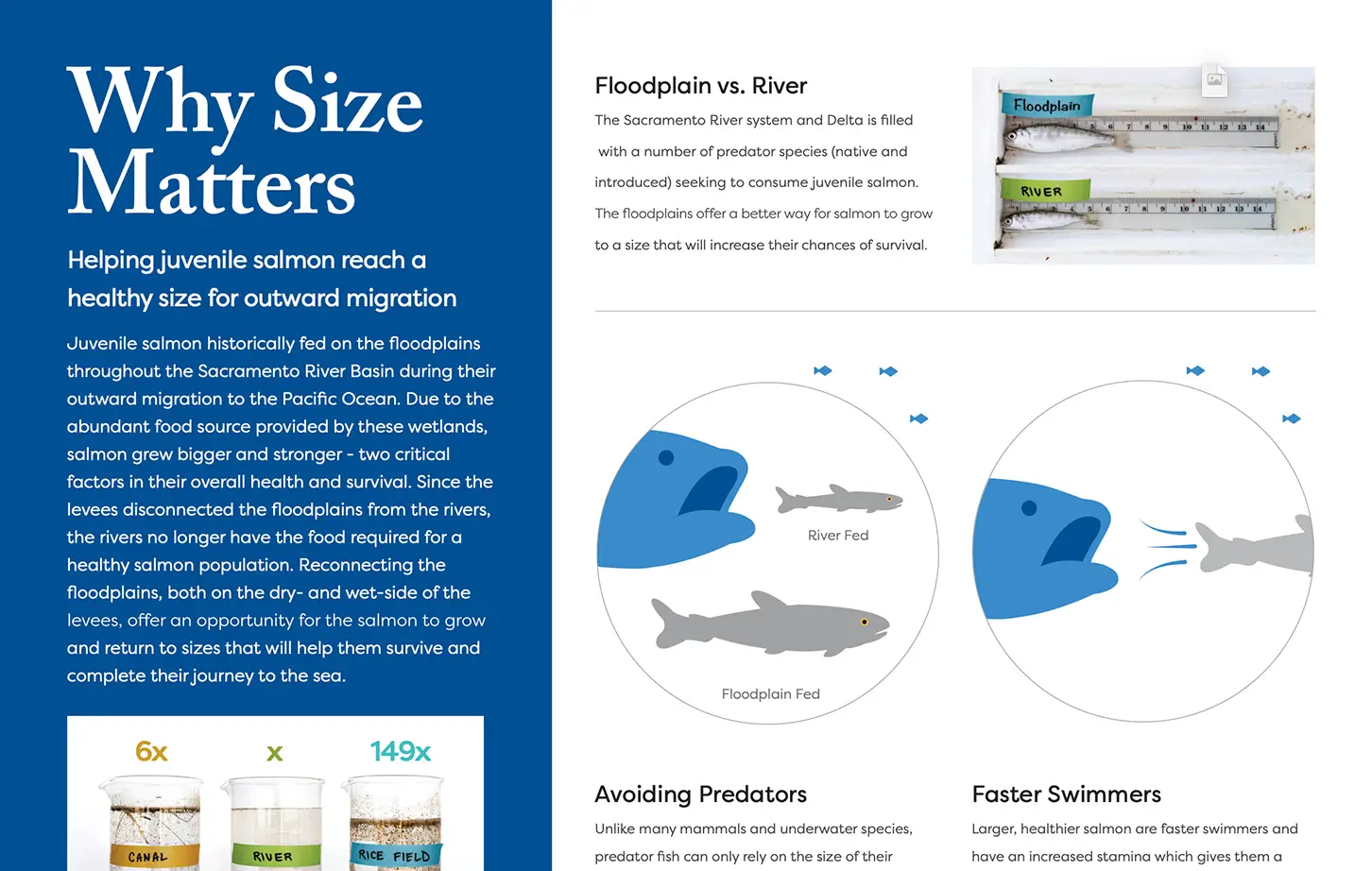
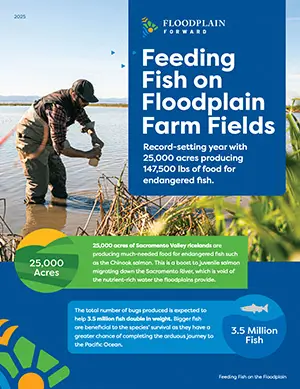
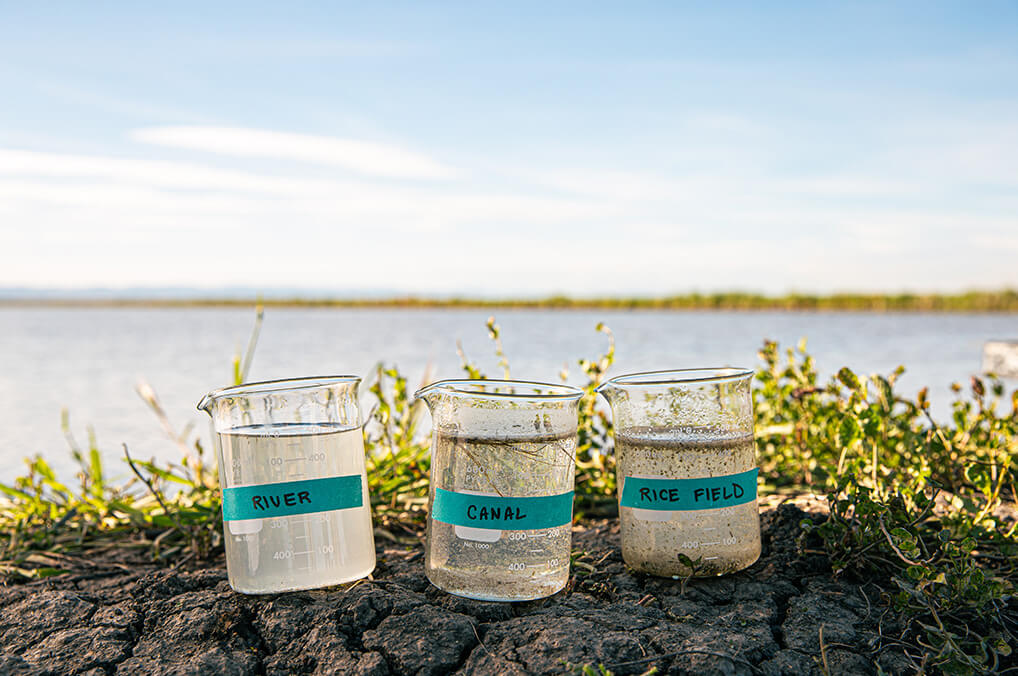
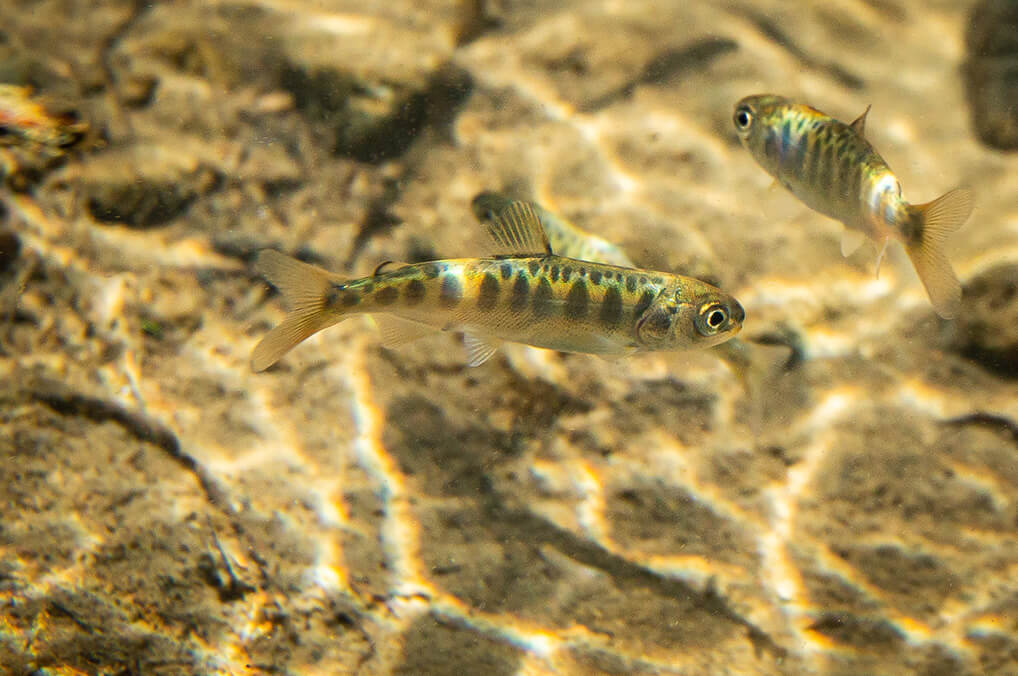
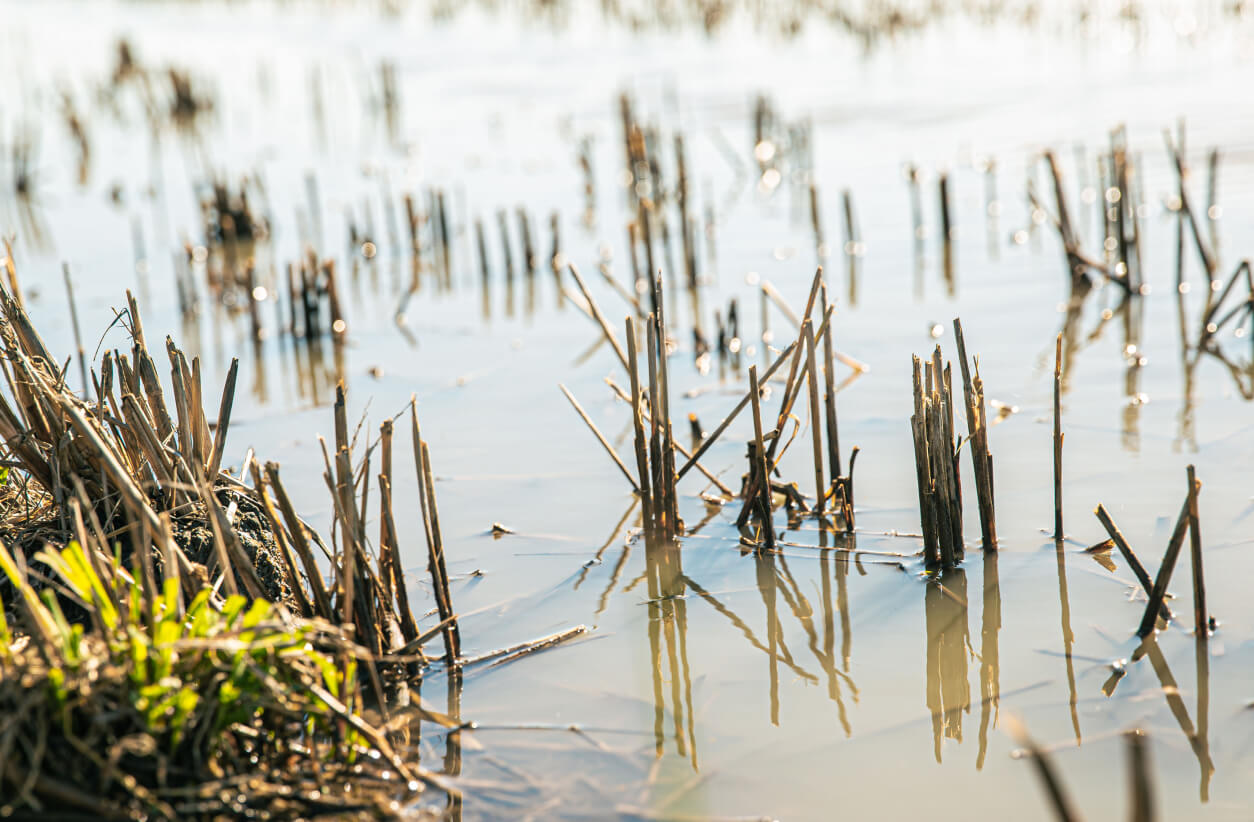
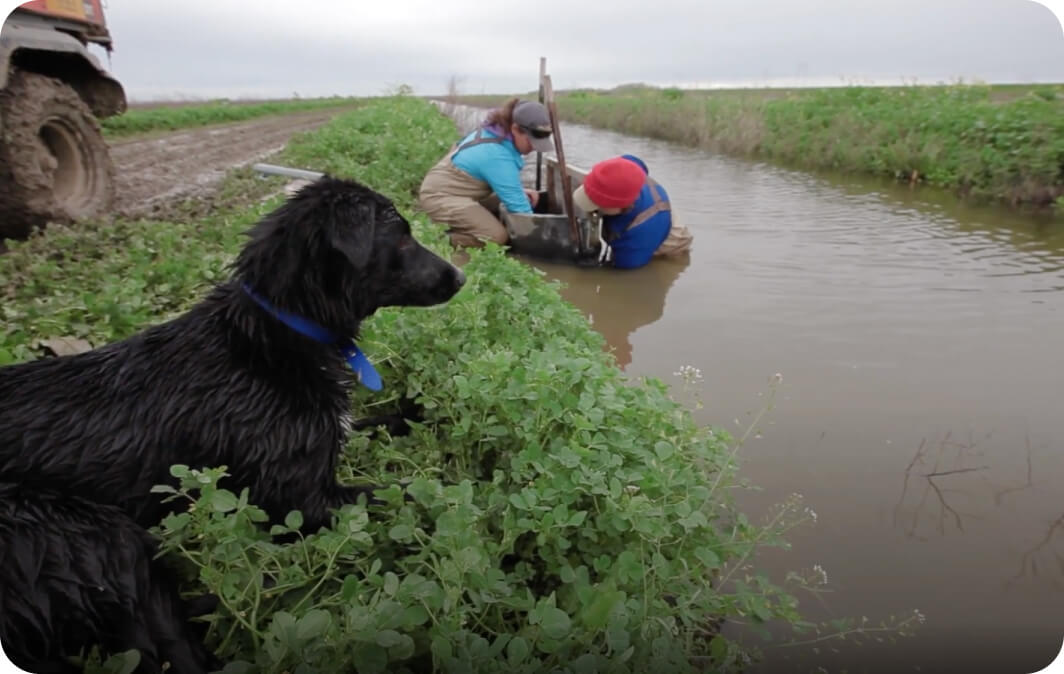
The bypasses offer an opportunity for migrating fish to access the floodplains to feed on bugs (as they historically have) before heading back into the river, while winter ricelands produce the same bugs during decomposition of rice straw but the enriched water is pumped back into the Sacramento River. -
Creating Bird Habitat
Creating Bird Habitat
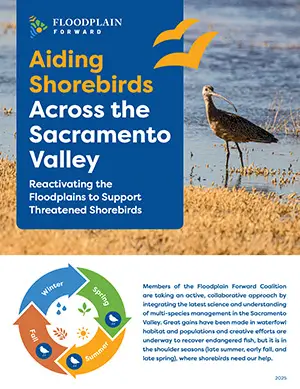
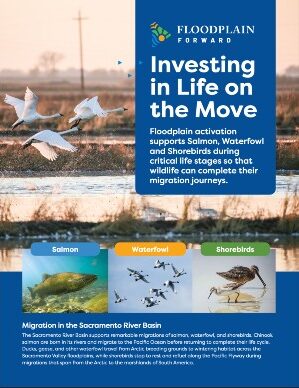
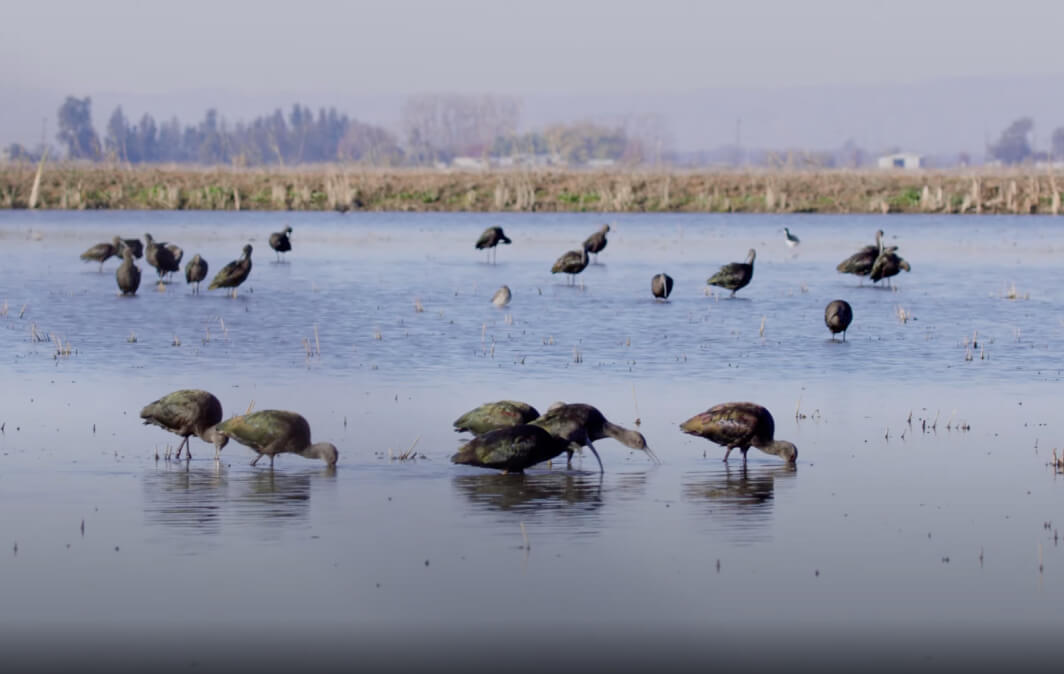
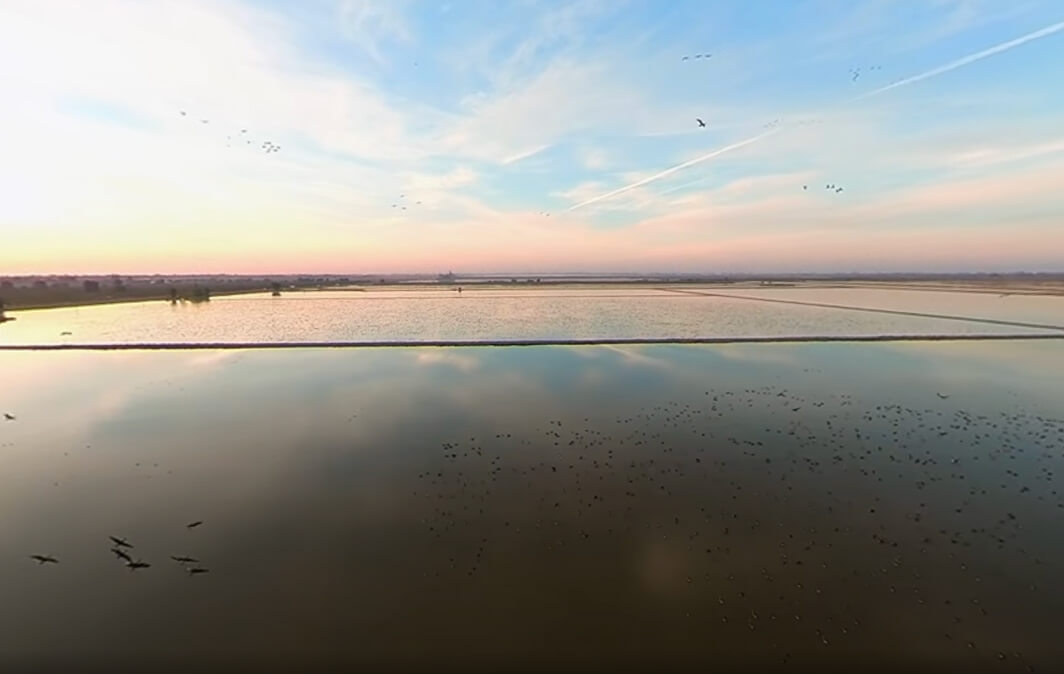
The Sacramento Valley is a critical stopover site along the Pacific Flyway for waterfowl and shorebirds. It is estimated that 4 million ducks, geese and other waterfowl as well as 250,000 shorebirds rely on the bypasses, refuges and ricelands to rest and feed each winter. -
Flood Protection and Groundwater Recharge
Flood Protection and Groundwater Recharge
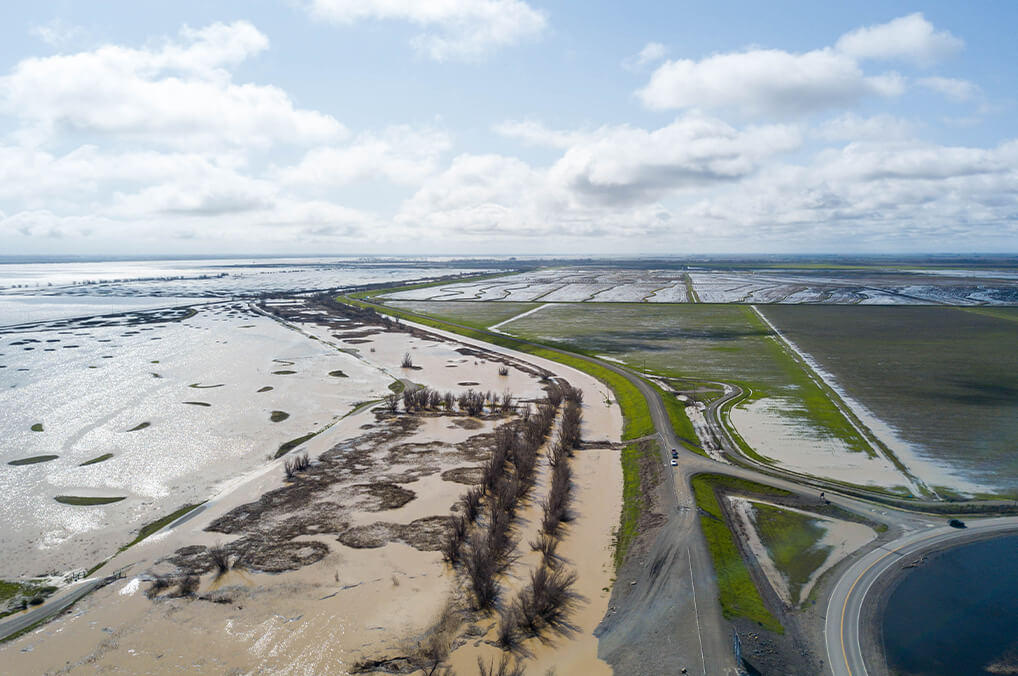
The bypasses offer protection from flood waters for millions of people up and down the Sacramento Valley. In addition, above normal years also provide the ability to recharge aquifers that can be drawn on during drier seasons.
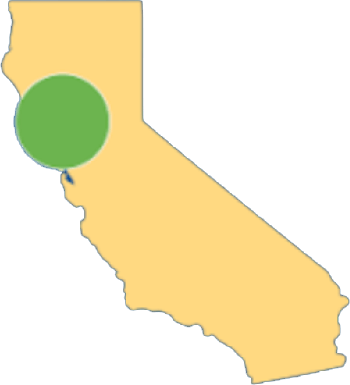
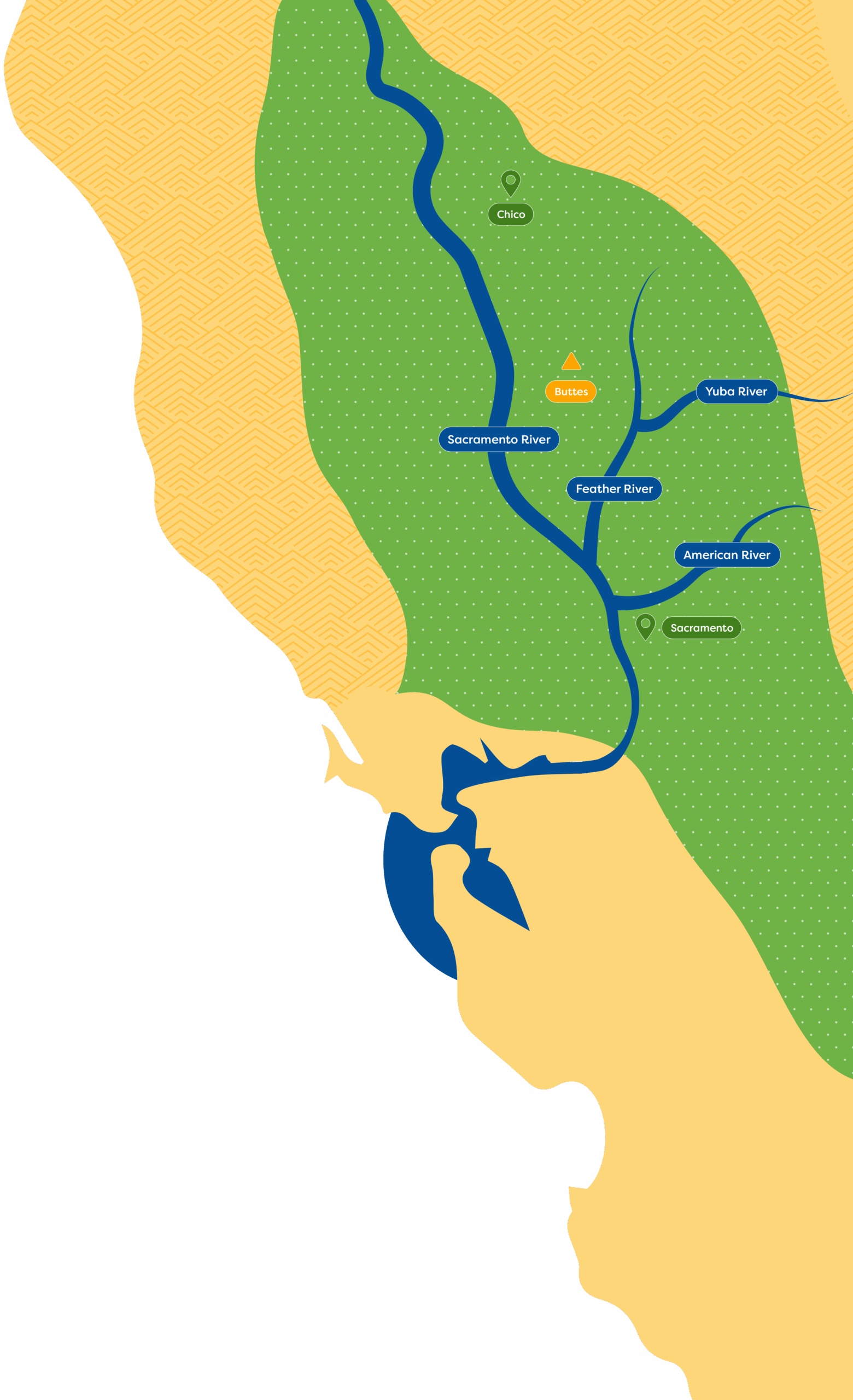
Where we are reconnecting the floodplains.
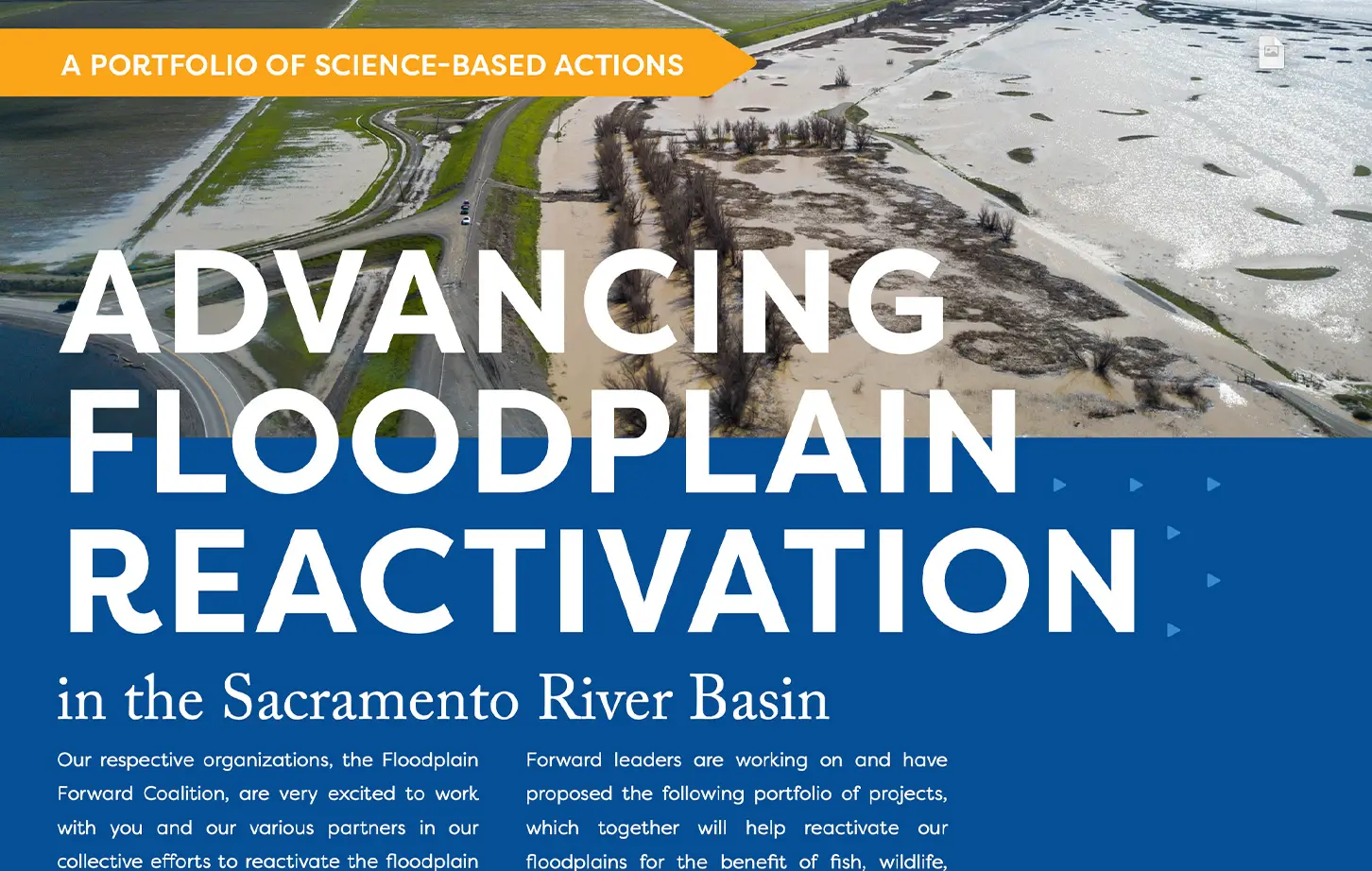
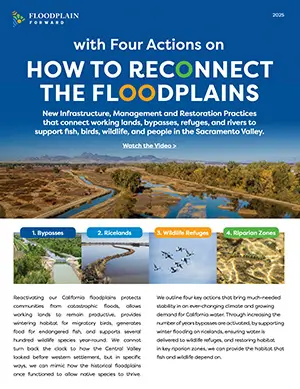
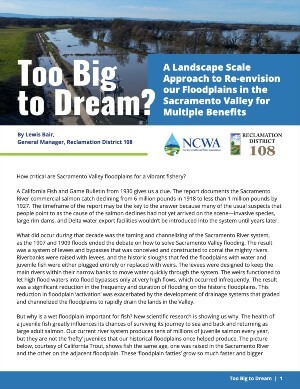
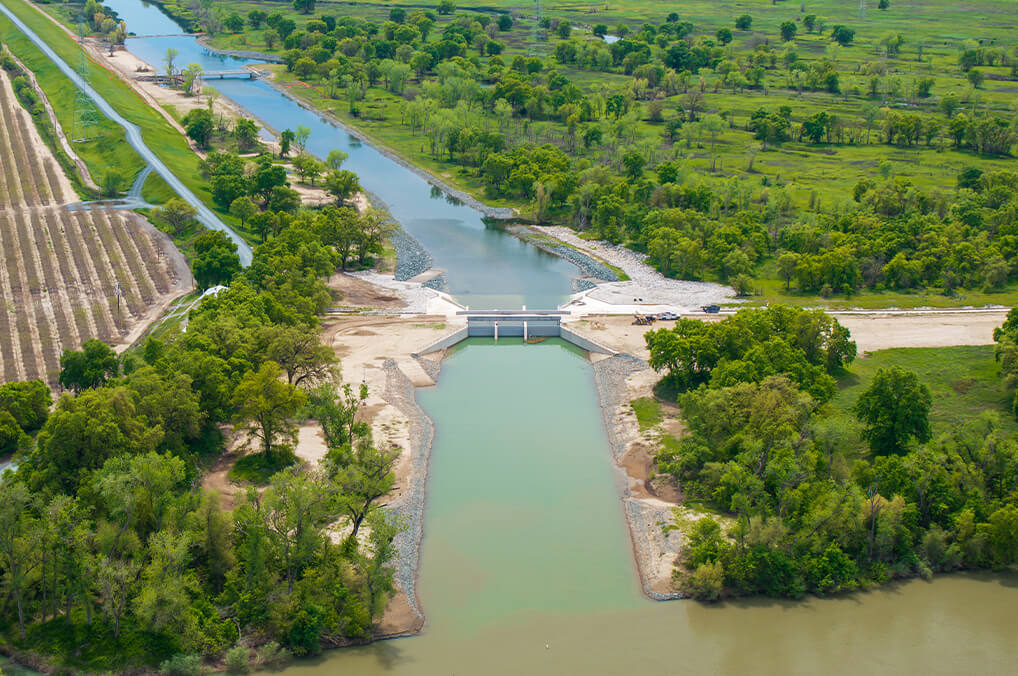
Spanning from Chico to the Delta, and from the Sierra Nevada to the coast ranges, nearly the entire Sacramento River Basin is part of the historic floodplain that provided an abundance of habitat for fish and wildlife. Construction of levees and dams may have altered the landscape, but the Floodplain Forward Coalition is working on innovative ways to reconnect the rivers to the floodplains, while still providing critical flood protection.Floodplain
Mountain Range
Rivers
The Coalition
A 35-member organization representing landowners, irrigation districts, higher education, and conservation groups. The coalition, and the collaborative model of dynamic conservation, has resulted in farms, refuges, and managed wetlands providing essential habitat for waterfowl and shorebirds as well as food for endangered fish species.
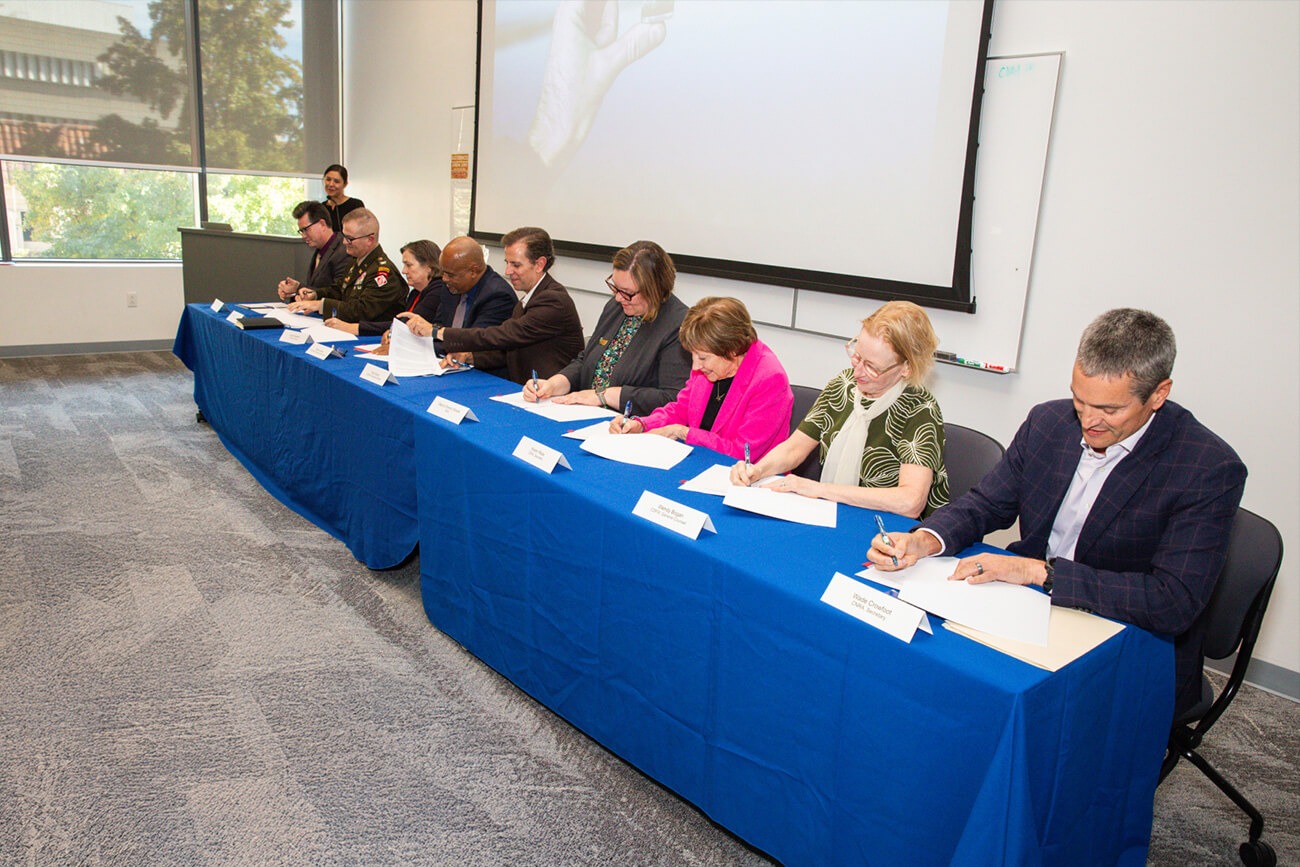
Sacramento River Basin Floodplains at the Heart of Landmark Agreement
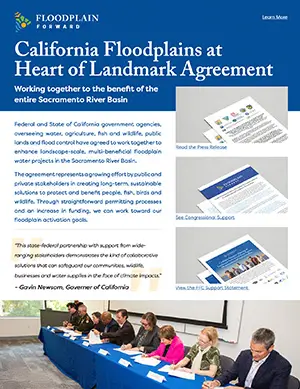
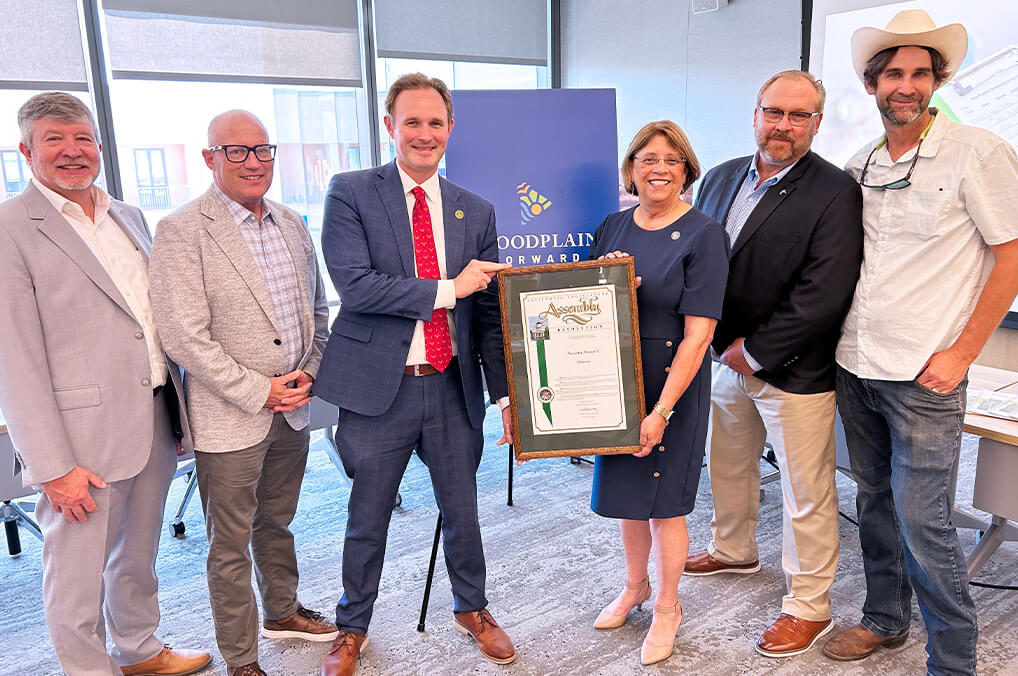
On October 23, 2024 an MOU was signed to improve communications between agencies, enhance flood protection, create and protect habitat for fish and wildlife, increase long-term health for farms and communities.Federal and State of California government agencies, overseeing water, agriculture, fish and wildlife, public lands and flood control, have entered into a Memorandum of Understanding to enhance collaboration on landscape-scale, multi-beneficial floodplain water projects in the Sacramento River Basin.
Quotes from State and Federal Leaders
"As California grapples with more extreme cycles of wet and dry, it’s more important than ever that we leverage our common interests to meet the needs of our communities, wildlife and economy…"
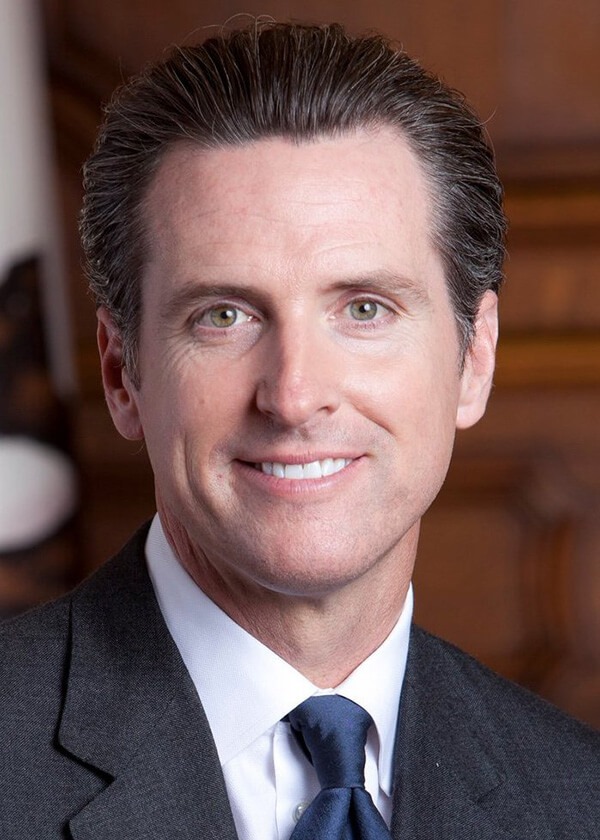
As California grapples with more extreme cycles of wet and dry, it’s more important than ever that we leverage our common interests to meet the needs of our communities, wildlife and economy. This state-federal partnership with support from wide-ranging stakeholders demonstrates the kind of collaborative solutions that can safeguard our communities, wildlife, businesses and water supplies in the face of climate impacts. Gavin Newsom,
Governor of California
"We are deeply grateful for this commitment to floodplain restoration with so many conservation leaders in the Sacramento Valley," said Paul Souza, Pacific Southwest …"
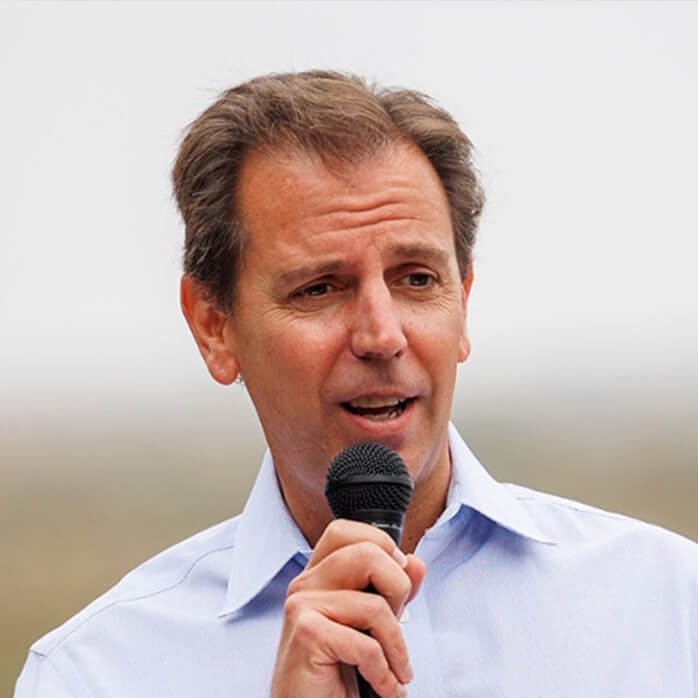
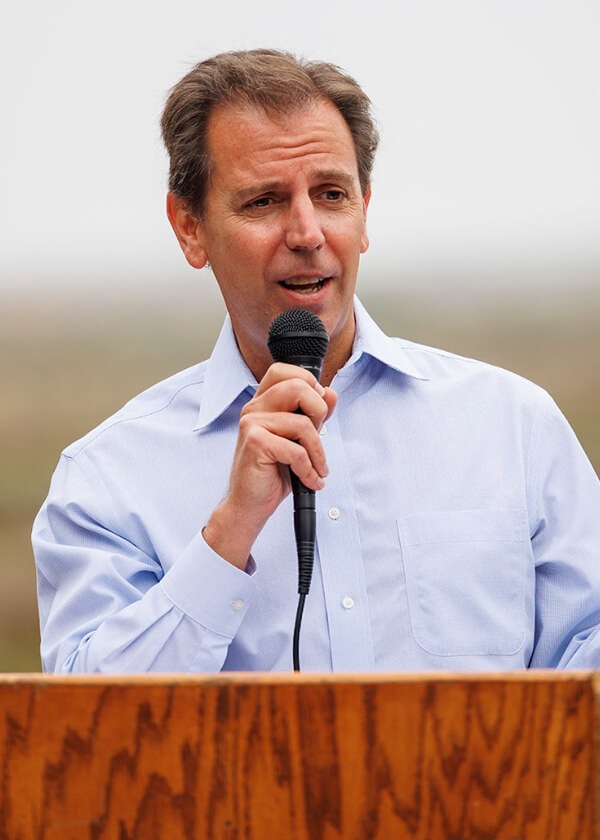
“We are deeply grateful for this commitment to floodplain restoration with so many conservation leaders in the Sacramento Valley,” said Paul Souza, Pacific Southwest Regional Director of the U.S. Fish and Wildlife Service. “Floodplains provide rich habitat for birds, fish, and so many other species, and this partnership again shows how agriculture and species conservation can work hand in glove to benefit people and communities, foster a healthy environment, and adapt to a changing climate. We are committed to this restoration action.” Paul Souza,,
Pacific Southwest Regional Director of the U.S. Fish and Wildlife Service
"Reclamation looks forward to being a part of this vital effort to promote the development of projects that help restore the ecosystem and boost the overall health of the Sacramento River Basin…"
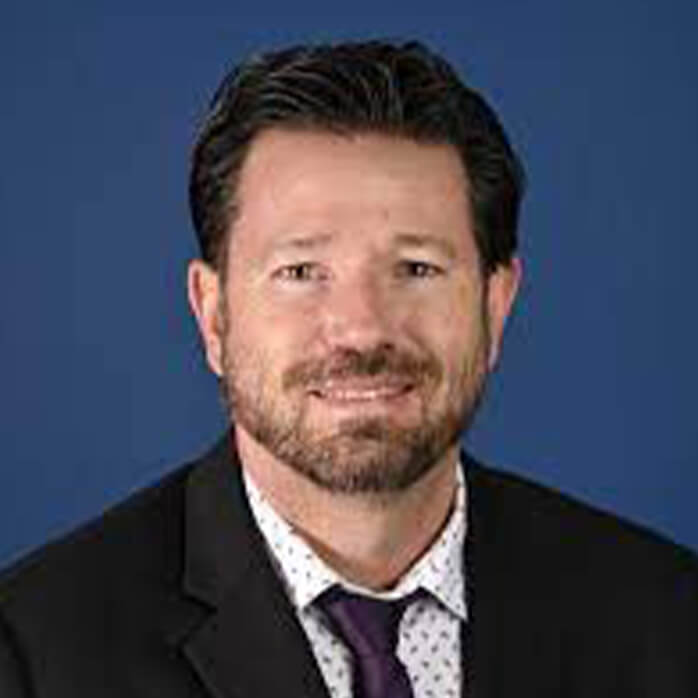
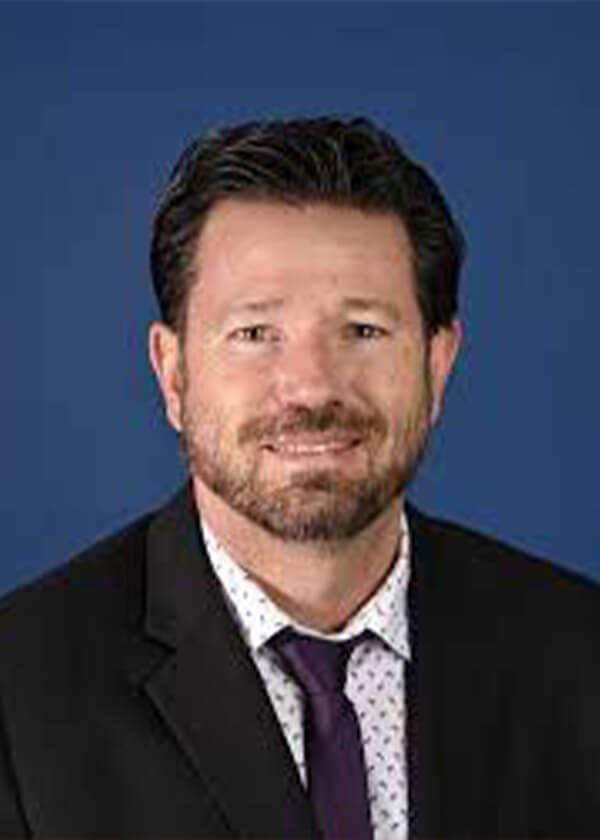
“Reclamation looks forward to being a part of this vital effort to promote the development of projects that help restore the ecosystem and boost the overall health of the Sacramento River Basin and the economy it supports,” said California Great-Basin Regional Director Karl Stock. “We’ve been engaged with our federal, state and local partners on many habitat restoration and improvement projects along the Sacramento River, and this memorandum of understanding is another pillar on which we can build our growing partnerships.” Karl Stock,,
California Great-Basin Regional Director
"Allowing water onto historic floodplains reduces flood risks to downriver communities, expands habitat for fish and wildlife, and often helps recharge groundwater basins. This MOU will turbocharge…"
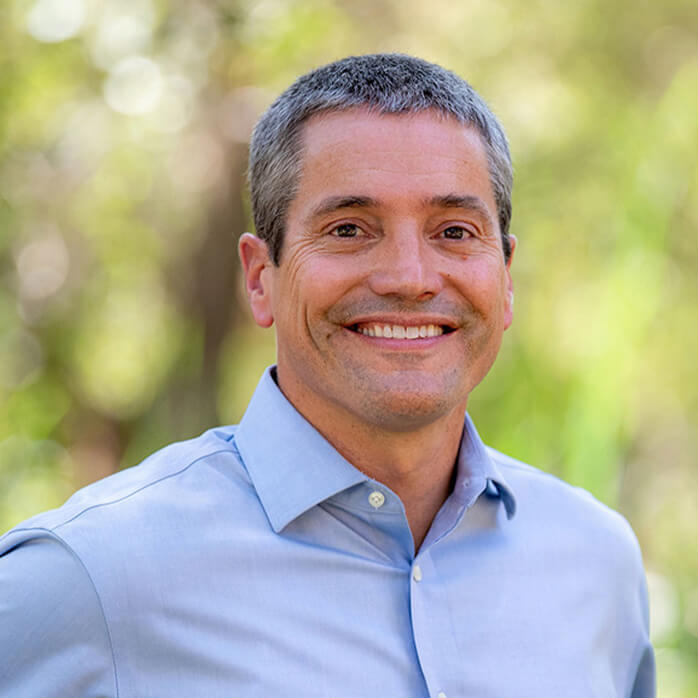
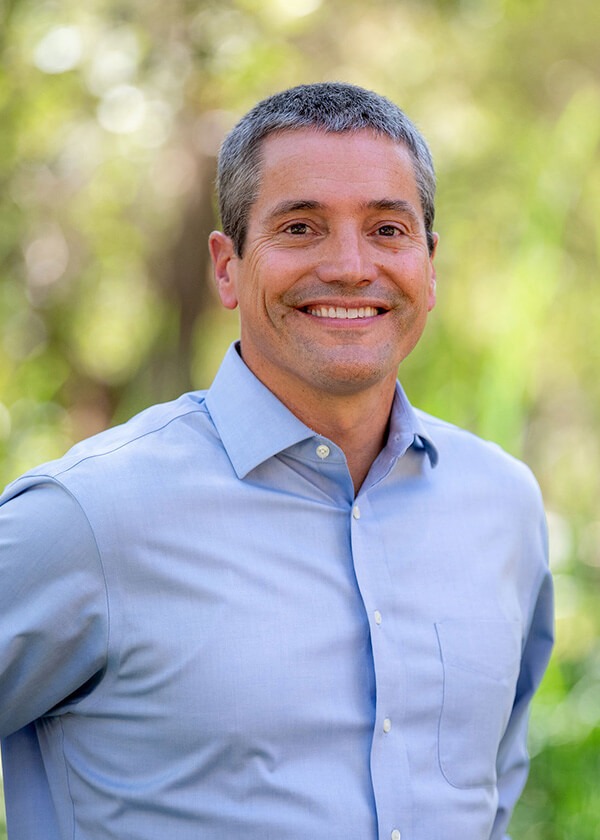
“Restoring seasonal floodplains across California is a win-win-win,” said Wade Crowfoot, California Natural Resources Secretary. “Allowing water onto historic floodplains reduces flood risks to downriver communities, expands habitat for fish and wildlife, and often helps recharge groundwater basins. This MOU will turbocharge collaboration already happening in the Sacramento Valley to get more of these multi-benefit projects in place more quickly.” Wade Crowfoot, ,
California Natural Resources Secretary
"We look forward to working collaboratively with leaders from across these state and federal agencies to align salmon restoration projects in the Sacramento Valley…"
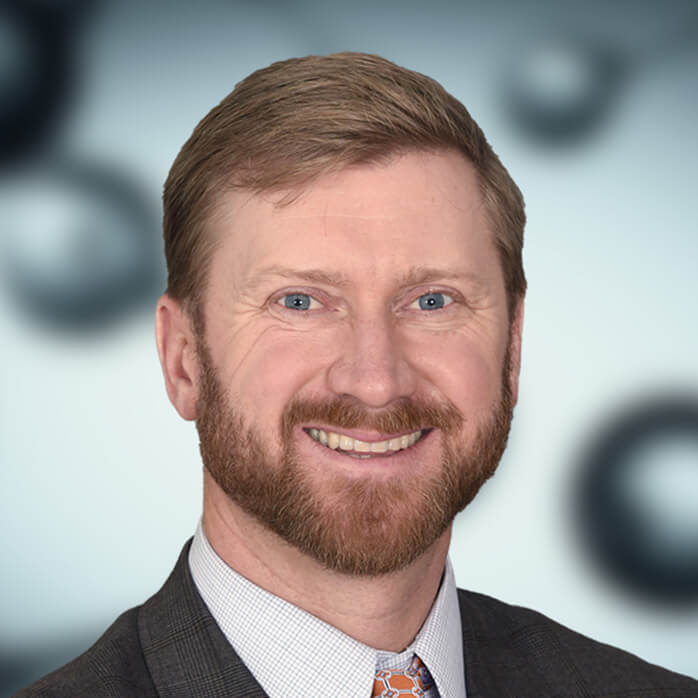
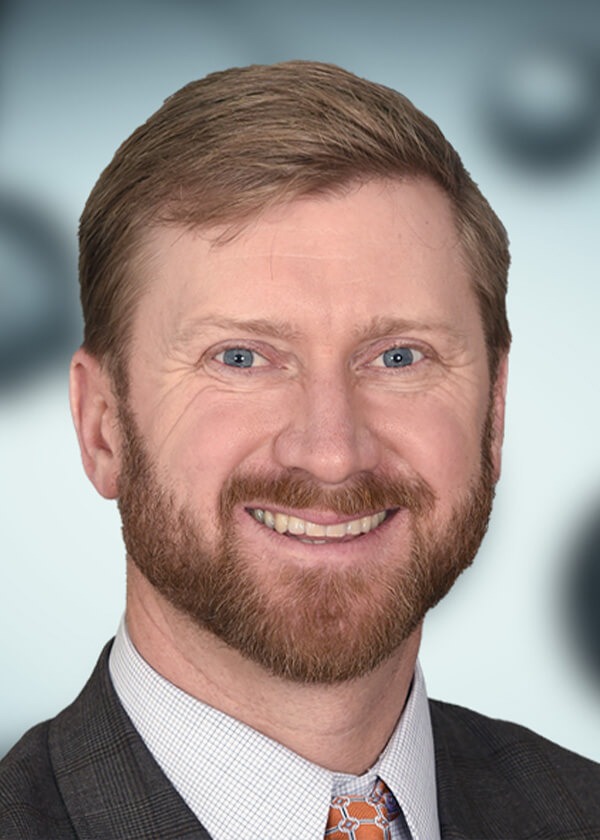
“We look forward to working collaboratively with leaders from across these state and federal agencies to align salmon restoration projects in the Sacramento Valley,” said Jonathan Birdsong, western regional director, National Fish and Wildlife Foundation. “Coordinating both projects and funding opportunities will allow us to deliver much-needed resources to willing landowners and their non-government organizational partners who are ready to implement solutions to benefit this vital natural resource.” Jonathan Birdsong, Western Regional Director,,
National Fish and Wildlife Foundation
"As extreme weather events intensify and become more frequent, managing our water resources for multiple benefits becomes more of an imperative, said COL James Handura, Commander of the U.S. Army Corps …"
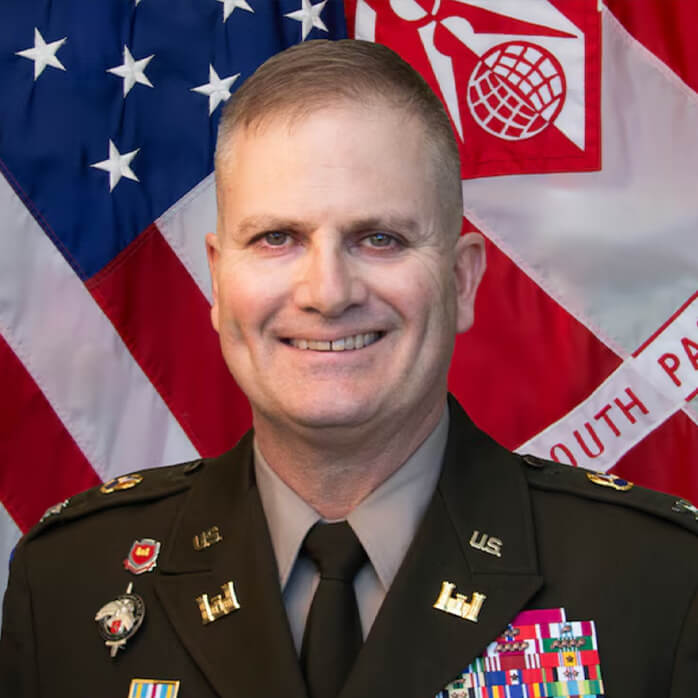
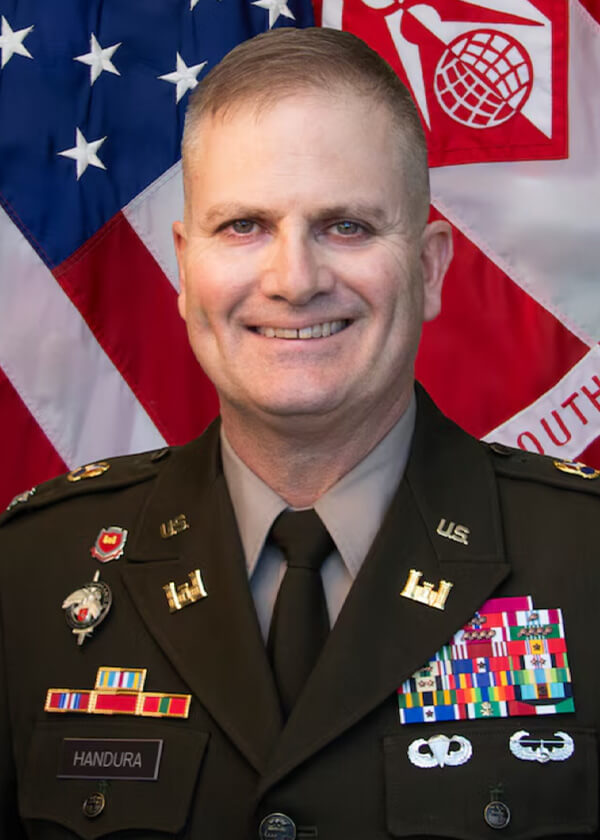
“The Central Valley is the hub of the California water system. As extreme weather events intensify and become more frequent, managing our water resources for multiple benefits becomes more of an imperative,” said COL James Handura, Commander of the U.S. Army Corps of Engineers South Pacific Division. “This Memorandum of Understanding signifies the Corps’ commitment to maximize collaboration with our federal, state, and local partners, and to support the goals of improving flood risk management, restoring sensitive ecosystems, and enhancing drought resilience in the Sacramento River Basin and beyond.” COL James Handura,,
Commander of the U.S. Army Corps of Engineers South Pacific Division
"I congratulate the Floodplain Forward Coalition for coming together with federal and state agencies today to advance floodplain reactivation in the Sacramento River Basin. These agreements will expedite water infrastructure…"
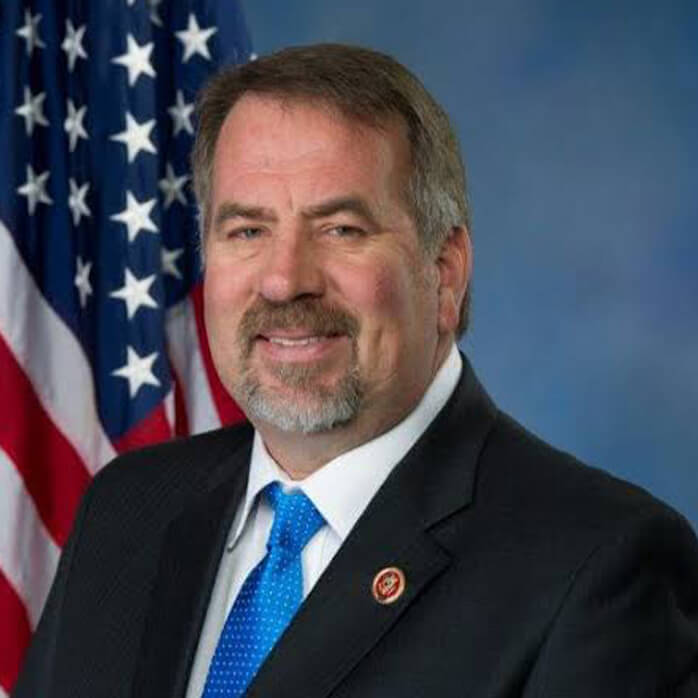
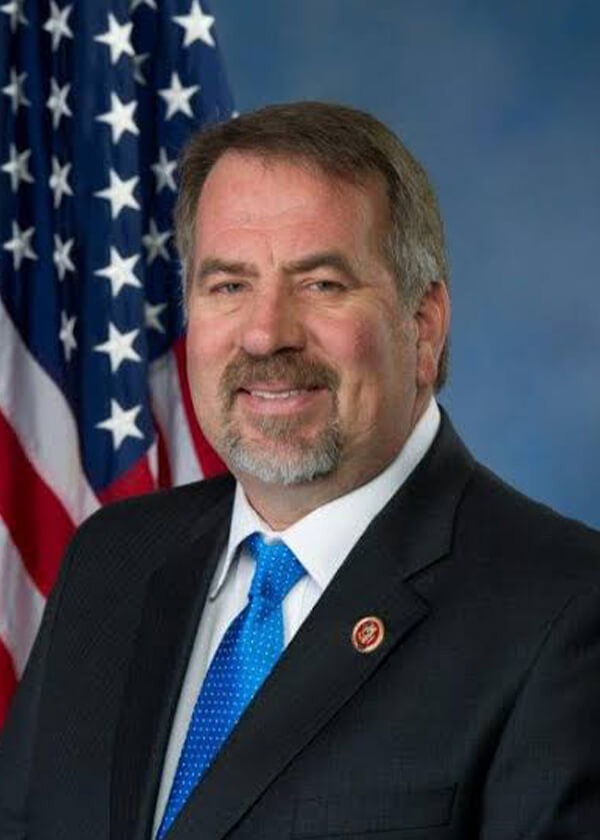
“I congratulate the Floodplain Forward Coalition for coming together with federal
and state agencies today to advance floodplain reactivation in the Sacramento River
Basin. These agreements will expedite water infrastructure projects which use our
existing water supply to improve waterfowl and fish habitat, increase flood
protection, and support farming as the economic driver of our region.” Congressman Doug LaMalfa,
(R-CA-01)
"Reactivating the floodplains will allow us to reduce flood risk, restore fish and wildlife habitat, improve groundwater aquifer recharge, support a reliable water supply, and maintain farming and managed wetland operations. Today’s Memorandum of Understanding is a historic…"
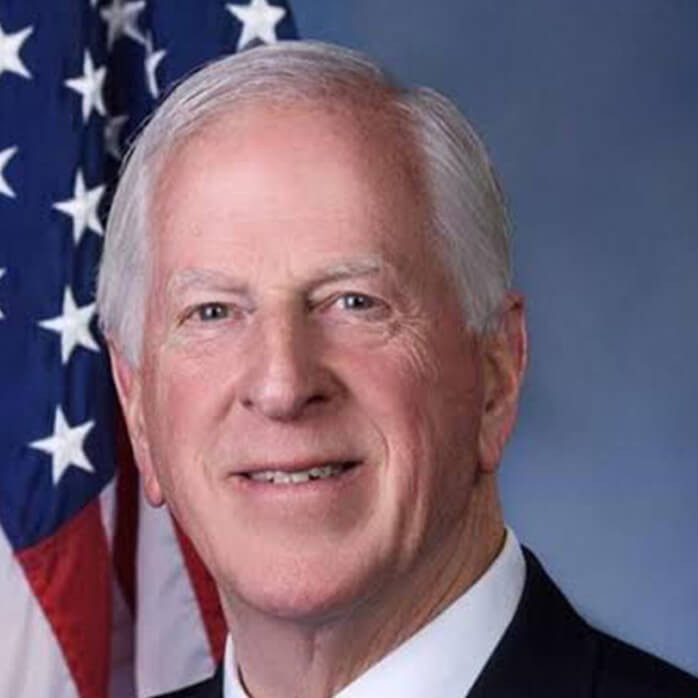
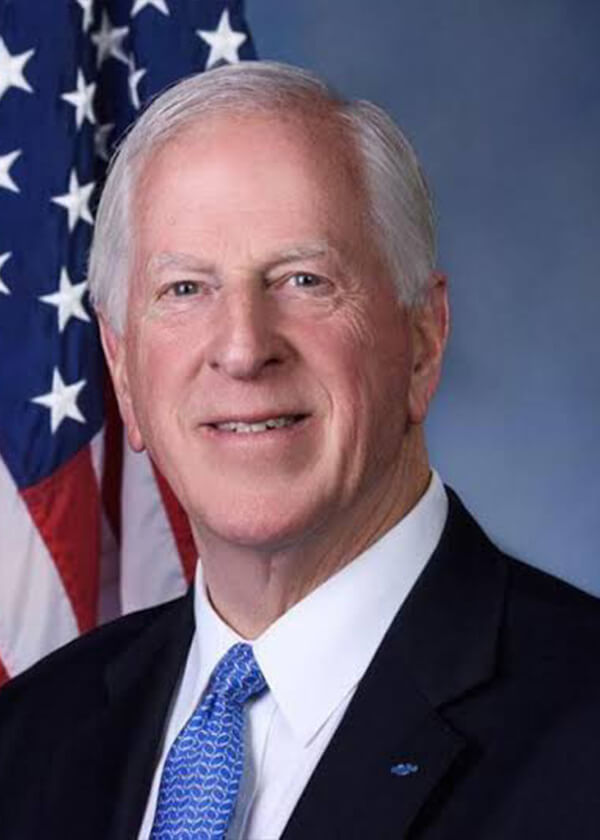
“The health of the Sacramento River Basin is critical to the well-being
of our entire region. Reactivating the floodplains will allow us to reduce
flood risk, restore fish and wildlife habitat, improve groundwater aquifer
recharge, support a reliable water supply, and maintain farming and managed
wetland operations. Today’s Memorandum of Understanding is a historic step
toward these goals. I look forward to continuing to support these floodplain
restoration projects,” Rep. Mike Thompson,
(D-CA-04)
"The Floodplain Forward Coalition is poised to embark on the most significant salmon habitat restoration project in Northern California in decades …"
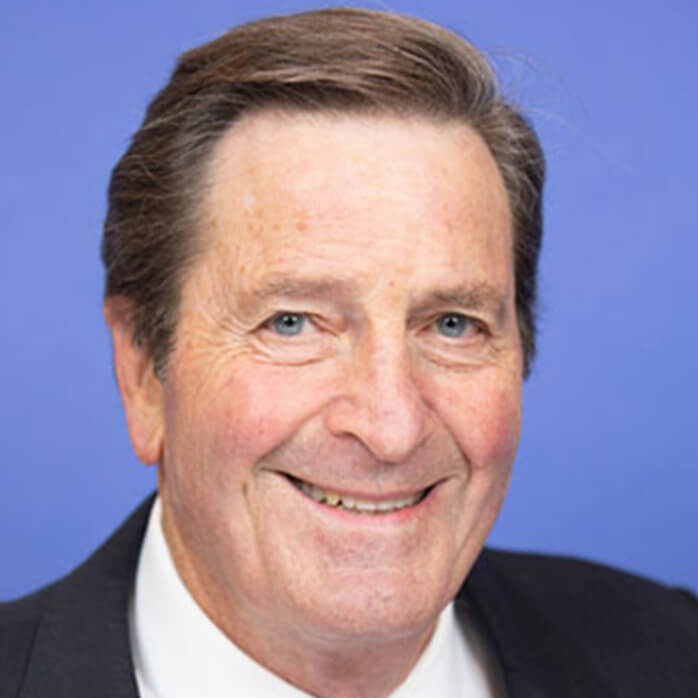
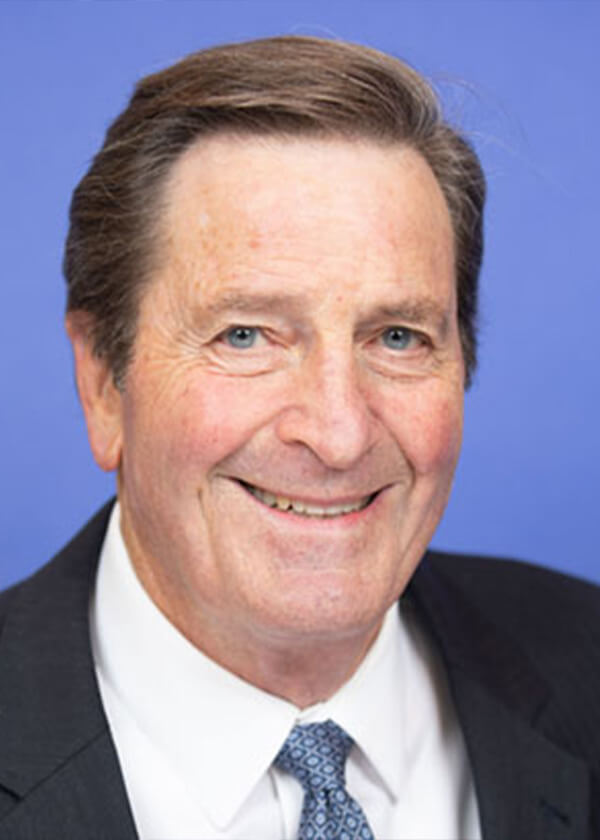
“The Floodplain Forward Coalition is poised to embark on the most
significant salmon habitat restoration project in Northern California
in decades. This initiative is a true win-win, restoring seasonal
habitat for endangered salmon while supporting sustainable agriculture
in the Yolo and Sutter Bypasses. I have supported this project since its
inception, securing more than $12.8 million in federal funding to make
this innovative endeavor a reality. I hope today’s agreement signals a
commitment from the federal and state governments to fully fund this
model project for habitat restoration.” Congressman John Garamendi (D-CA-08), ,
former Deputy Secretary of the Interior
"We truly appreciate the federal and state agencies coming together today to advance landscape-scale restoration efforts in the Sacramento River Basin …"
“We truly appreciate the federal and state agencies coming together
today to advance landscape-scale restoration efforts in the Sacramento
River Basin. The Floodplain Forward Parties strongly support the MOU and
look forward to working with the state and federal agencies and our various
Coalition partners to further the ‘Portfolio of Science-Based Actions
Advancing Floodplain Reactivation in the Sacramento River Basin’ and related
actions that support vibrant landscapes, wildlife, cities, farms, rural
communities, and river systems across the region,” David Guy,,
President of Northern California Water Association, on behalf of the Floodplain Forward Coalition
Floodplains in Cinema
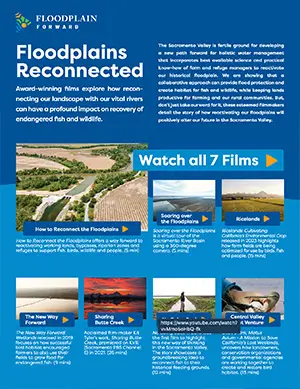
Explore the floodplains through the eyes of award-winning storytellers who feature the people, fish and wildlife who call this place home.
We care deeply about the Sacramento Valley and its communities. We believe it’s vitally important to conserve fish, birds, other wildlife, and the habitats that support them, including farms and refuges. In this time of climate change, which is fueling extended droughts and catastrophic fire, action is urgently needed to protect fish and wildlife resources and communities. Restoring floodplains through collaboration is a wonderful example of how we accomplish this task. We are grateful for the leadership shown by our friends in the Sacramento Valley, our State and Federal partners, and the many other groups and individuals who share and act upon this vision for our future.Paul Souza, Regional Director, U.S. Fish and Wildlife Service, Pacific Southwest Region
Our Efforts on the Floodplains